

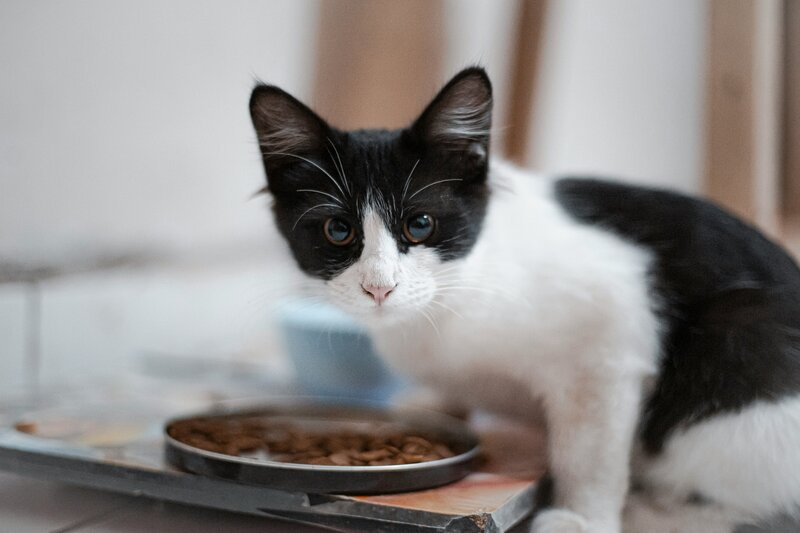

Summer is the purrfect time of year for sun-soaked cat naps, but it can also be a hair-raising season for cats afraid of fireworks and storms. The all-too-frequent loud noises and flashing lights may leave even the fiercest felines feeling frazzled and, sometimes, scared sick.
Luckily, combating these summer scares and helping your cat relax isn’t all that tricky.
Identifying Feline Fear and Anxiety

Soothing noise-related cat anxiety is critical in keeping your furry friend feeling her best, as stress can trigger health hiccups like diarrhea, vomiting, and urinary problems.
Unfortunately, it isn’t always easy to spot feline anxiety. Cats are masters of disguising their feelings, from masking illness and injury to hiding fear. You need to be on your A-game and watch for deviations from your cat’s version of “normal,” no matter how insignificant they seem.
Physical symptoms of fear and anxiety in cats include:
- Trembling
- Panting
- Drooling
- Increased heart rate
Remember: Cats can be sneaky, so your purring pal may appear normal without the symptoms above but still be stressed to the max. This is why studying your cat’s behavior is as important as paying attention to her appearance.
Look for anxious behaviors like:
- Hiding
- Clawing furniture
- Excessive meowing or yowling
- Aggression
- Clinginess
- Pacing
- Overgrooming
- Eliminating outside of the litter box
- Urine marking
Cats afraid of storms may exhibit signs and symptoms long before the first rumble of thunder as the atmospheric pressure drops and winds increase.
Treating (and Preventing) Noise-Related Anxiety in Cats

Adjusting your routine can ease or even entirely avoid your cat’s noise-related fears. These changes range from spending more time with your kitty companion to administering sedating medication.
Necessary interventions vary by pet, as some scaredy cats require more help than others. What works for one may not work for another. Mix and match solutions until you find what works for you and your whiskered friend.
1. Keep an Eye on the Sky (and Your Schedule)
Planning and prevention are key in setting up your noise-shy cat for success, especially if you’ll be out of town and need to coordinate plans with your pet sitter. Stay on top of the weather forecast, and check your calendar for upcoming holidays featuring fireworks to remain a step ahead of your feline’s fear.
2. Create a Safe Space

Establishing a quiet area in the home for your cat helps manage feline anxiety naturally. This stress-free zone can also double as a retreat when the household buzzes with visitors or other events, and your cat feels overwhelmed.
The secret is to pick an area insulated from outdoor noise and light flashes, like a dimly lit interior room or a walk-in closet. A windowless space is ideal, but you can shield windows or glass doors with thick curtains or blankets if necessary.
Here, you’ll craft a kitty oasis with nooks and crannies to curl into and relax. A collapsible cat carrier or tunnel fits the bill, as does a cat tree. Make this area as appealing as possible to your cat before storms or fireworks, as you want her to feel at ease rather than unsure of strange surroundings. Offering tasty treats and praise in the space helps, as does providing a shirt or blanket that smells like you for cuddling. Another great addition? Catnip.
3. Drown Out Noise

Cats have a keen sense of hearing, sending many meowers scrambling at the loud booms of thunder and fireworks. While you can’t always entirely block out noise, you can lessen the feline fear factor by playing calming music, watching television, or running a white noise machine.
Just be sure what you’re playing isn’t as stressful as the sounds outdoors. For example, stick to classical if your kitty isn’t used to death metal.
4. Keep Your Cat Company

Leaving your cat alone during storms or fireworks can amplify anxiety symptoms. Your presence is often comforting in itself, but if you or someone else offers affection, it’s even easier for your cat to tune out the scariness outdoors. Try to be home with your buddy when storms or fireworks are expected, and if you can’t be, seek a pet sitter.
5. Distract Your Cat

Hiding from storms and fireworks is more entertaining with toys. They’re also great for funneling your cat’s anxious energy into an enriching activity.
Interactive cat toys like Catstages Tower of Tracks or SmartyKat Hot Pursuit are perfect for solo play, while laser pointers and teaser wands work for one-on-one bonding time with your buddy. Toys and play suit active cats and kittens who aren’t as likely to settle down in a quiet space.
Is your purring pal not so playful? Fear not! Food is another excellent distraction against stressors, provided it’s extra tasty. Try a tray of wet food or a loaded LickiMat of frozen cat-safe broth or tuna.
6. Offer Drug-Free Solutions

Some cats need more support than fun, food, and quiet to feel secure, particularly if loud noise already has them riled up. Slipping your cat into a Thundershirt may help, as the snug fit applies soothing pressure to her body, similar to swaddling a baby. Thundershirts are also helpful in comforting your cat during vet visits or travel.
Another great option is to spritz your cat’s safe space with a product like Nature’s Miracle Cat Calming Spray or introduce a pheromone plug-in like Feliway, which reduces feline anxiety and fear. These methods are ideal if your cat doesn’t tolerate clothing or much handling.
Deploying these drug-free calming methods before a storm or fireworks may avoid potential panic and unnecessary stress in your cat.
7. Soothing Supplements

Sometimes, reducing cat anxiety symptoms requires reinforcements from calming supplements. Offered in chewable bites like PetHonesty Cat Calming Chews and easy-to-dispense liquids like Rescue Remedy, these products use cat-friendly natural ingredients like chamomile and tryptophan to relax felines. Many come disguised as treats, too, making administering them a breeze for most cats. With that in mind, keep your cat’s calming supplements in a secure place since some kitties will chow down if a bag is left unattended.
Calming supplements have a mild sedating effect on cats, though they aren’t as strong as prescription medications. Still, for safety’s sake, never serve your cat calming supplements made for dogs or humans, and ask your vet before their use, especially if your cat has existing health issues or takes medication.
8. Ask Your Vet for Help

Don’t shy away from asking your vet for advice if your cat’s anxiety is more than you can handle. In some cases, over-the-counter remedies just don’t cut it. Noise-related fear may lead to self-harming behavior, illness, or severe distress in cats, making vet-prescribed cat anxiety medication necessary.
These prescription medications, including Alprazolam and Trazodone, are typically given before exposure to stressors to relax your cat and prevent adverse reactions. They’re offered in liquid or tablet form and can be conveniently hidden in your cat’s favorite wet food.
Due to their sedating effects, these prescription medications are often administered before high-stress events like travel, grooming, and vet visits. They should only be given under your vet’s guidance, and someone should remain at home with your cat until they wear off to ensure her safety.
Always contact your vet about any out-of-the-ordinary behavior or symptoms in your cat, not just those suspected to be linked to noise-related anxiety. Sometimes, illness or injury is to blame.
9. Dabble in Desensitization

Desensitization and counterconditioning training can make your cat’s triggers less fear-inducing over time. The key here is to be slow and steady, exposing your cat to trigger noises at low volumes, such as playing a recording of rain, wind, or thunder on a sunny day. Pair this exposure with something positive, like mealtime or a treat.
Repeat this noise exposure over time, gradually increasing the volume and continuing praise to make real storms or fireworks less scary. The training pace will vary from cat to cat, so follow your fur kiddo’s comfort cues. Don’t rush the process, or you’ll risk impacting progress or deepening your cat’s noise anxiety.
Desensitization training is beneficial during kittenhood when your new friend is first adjusting to daily life around the house. Not only can it make storms and fireworks less scary, but it can also ease fears surrounding famous feline foes like the vacuum and doorbell.
Why Are Some Cats Afraid of Loud Noises?

Like humans, loud, sudden noises like booming fireworks or rumbling thunder may trigger a fight-or-flight instinct in cats. Some may become desensitized to the sound over time, but others – particularly shy or anxious cats – may develop a deep fear. Your cat could also associate loud noises with something negative, such as yelling.
Most cats afraid of fireworks and storms experience relief after minor routine adjustments. Figuring out what works for your unique cat may take some experimenting, but in the end, you’ll be rewarded with a happier pawed pal.